Place · Liddesdale, Scottish Borders
Hermitage Castle
A real Border stronghold whose architecture, restorations and literary afterlife should be read separately.
Also found as: Hermitage. Research reviewed 18 October 2026.
The place and its evidence
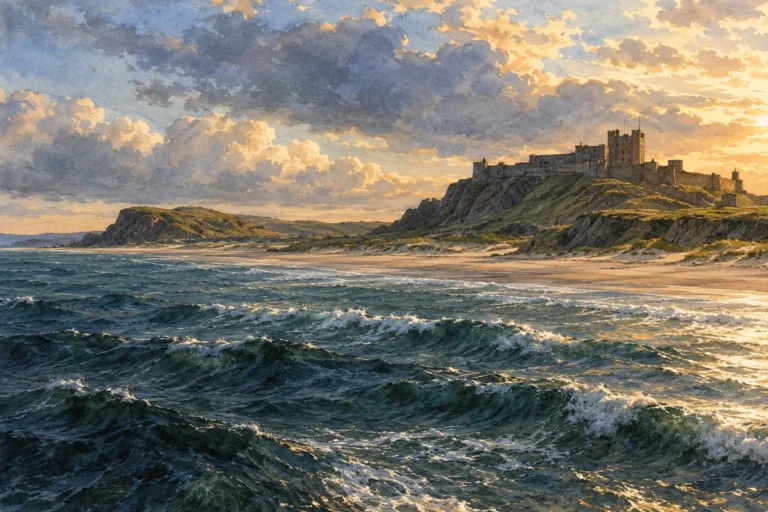
Historic Environment Scotland describes a complex site with a castle, chapel, earthworks and evidence of a managed landscape. The surviving stone castle developed during the fourteenth and fifteenth centuries. Its present appearance also reflects substantial restoration in the 1830s. A modern view is therefore not an unchanged scene from the earliest castle’s life.
A setting for Lord Soulis
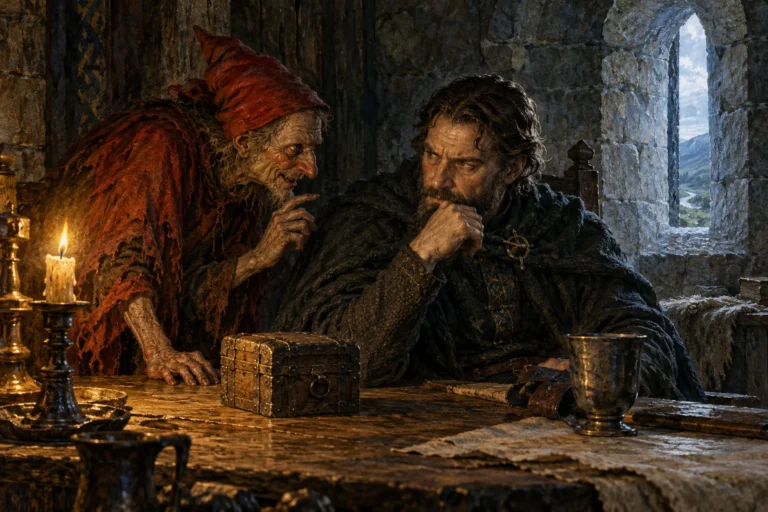
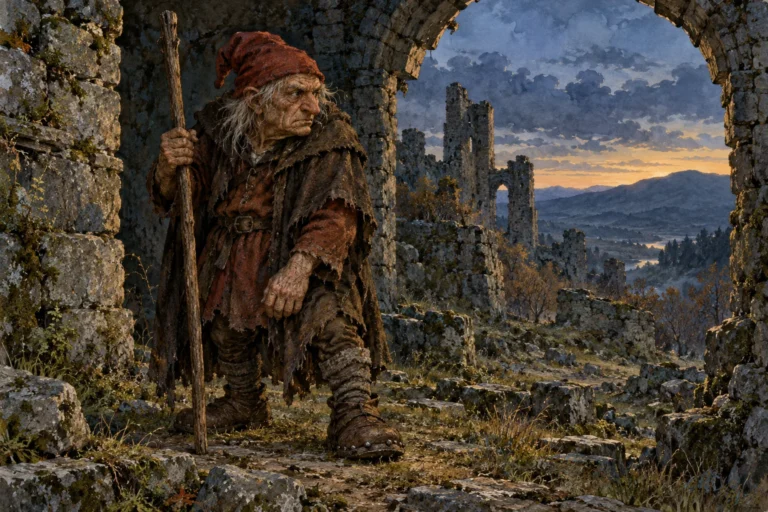
John Leyden makes Hermitage the seat of Soulis and the place where he consults Redcap. Scott’s introduction gives a related prose tradition. These are important parts of the castle’s literary history, but neither is an archaeological report.
The story’s cauldron episode belongs to Nine Stane Rig, not to a chamber that can be identified inside the surviving castle. No room is labelled here as a verified goblin’s chamber.
Reading place and legend together
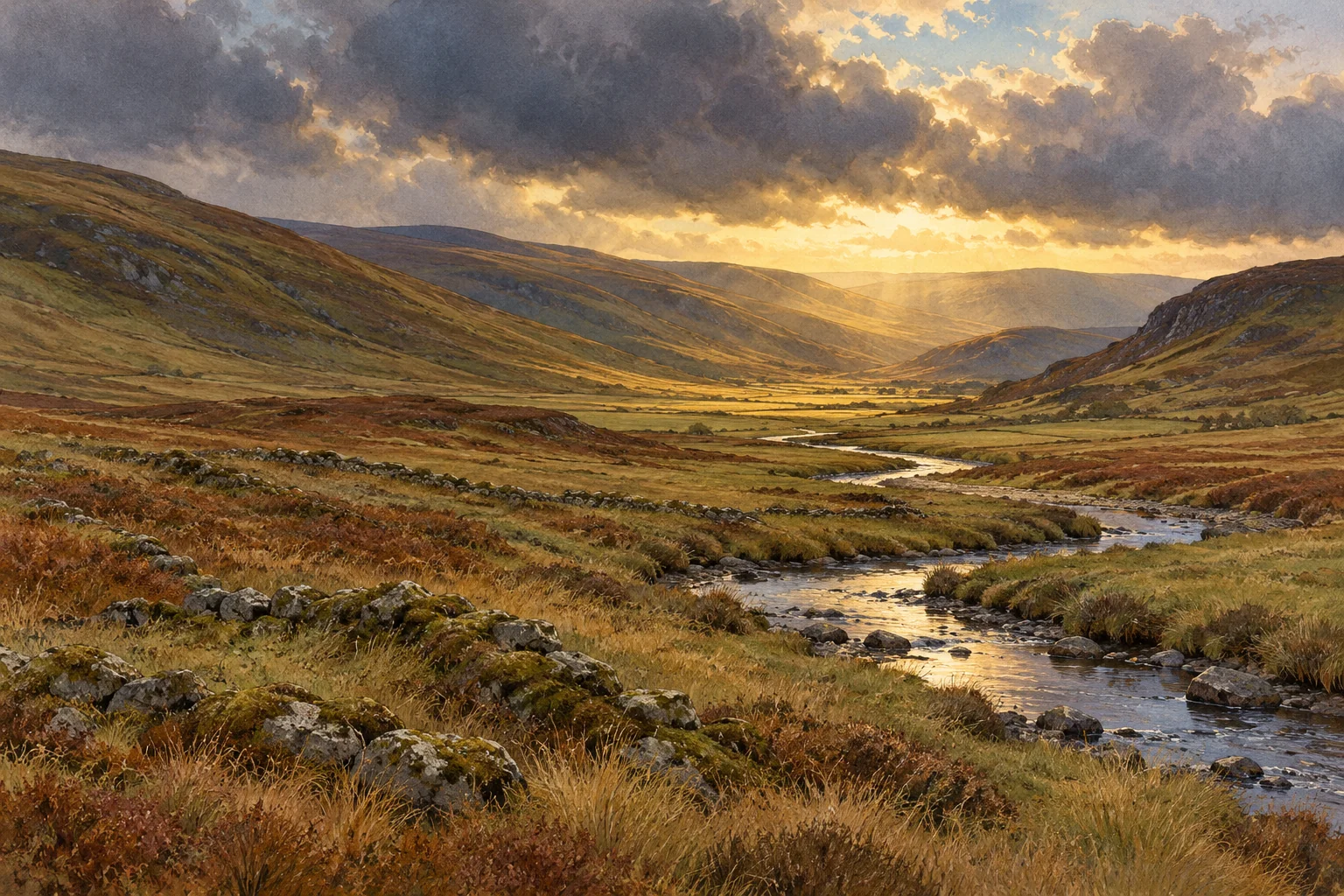
The physical site helps explain why a story of lordship could attach to this landscape. It cannot confirm the supernatural events. Follow the linked story for the literary sequence and the Redcap guide for the differences between the familiar and the general castle-haunting figure.
Sources for this place
- Historic Environment Scotland, Hermitage Castle, castle, chapel, enclosures, deer trap, park boundary and farmstead. Scheduled monument record SM90161, consulted 18 October 2026. Description and statement of national importance. Read source — Archaeological and architectural evidence for the place, separate from the supernatural narrative.
- John Leyden; edited and introduced by Walter Scott, Minstrelsy of the Scottish Border. Third edition, 1806, volume III. “Lord Soulis”, introduction, poem and notes, pp.245 onwards. Read source — Named-author literary ballad and its editor’s account of related tradition. About this book
Research coverage
The official monument record and the named literary passages have been examined. This is a folklore place guide, not a measured survey, visitor-access update or claim to identify the story’s rooms.
The Myths · Scottish collection · Editorial approach
Further Reading